Bayer Announces $7.25 Billion Settlement to Resolve ‘Current and Future’ Roundup Lawsuits


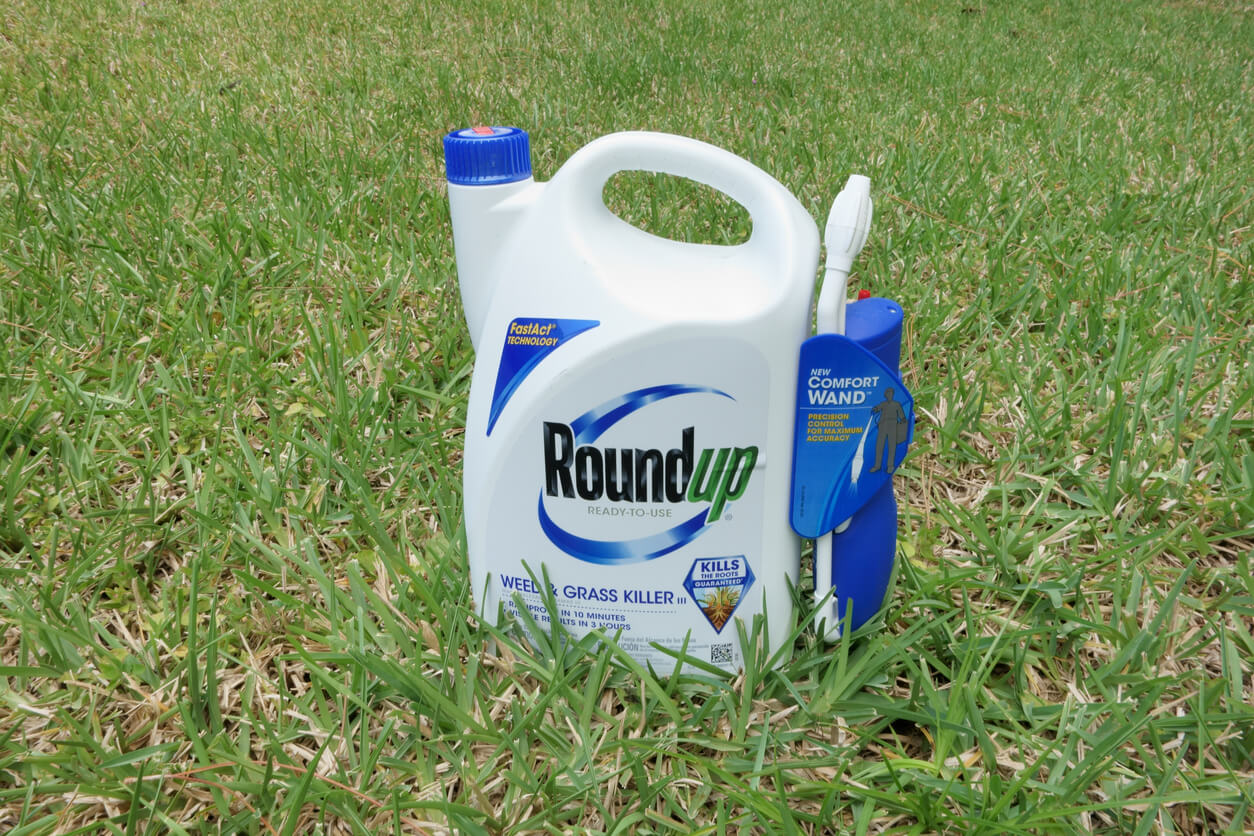
After years of courtroom battles and with tens of thousands of cases pending, resolution could finally be on the horizon for the Roundup cancer lawsuits.
Agricultural giant Bayer, which purchased Roundup maker Monsanto in 2018, announced plans on Tuesday for a $7.25 billion settlement “designed to resolve current and future Roundup claims.”
Bayer says the settlement agreement, which will require a judge’s approval, has the support of numerous law firms representing people who have filed lawsuits. These cases center on claims that exposure to the popular weed killer led to the development of non-Hodgkin lymphoma.








“This settlement offer was expected,” said Whitney Ray Di Bona, attorney and consumer safety advocate at Drugwatch. “For the plaintiffs, accepting the settlement may seem like their best chance for compensation, especially with the possibility of losing at the Supreme Court.”
If approved, the settlement would pay out over 21 years and cover those who claim that Roundup caused their cancer. Plaintiffs must have been exposed to Roundup before February 17, 2026, and receive a diagnosis before or within a 16-year period up to final approval of the settlement.
As of Fall 2025, more than 60,000 Roundup lawsuits remained active.
Additionally, Bayer announced that it has reached separate settlement agreements to resolve other individual cases. The terms of those agreements were not revealed.
Bayer had previously agreed to a mega settlement in 2020 for some Roundup cases, but the efforts were not enough to halt litigation as new cases continued to be filed in the following years.
The company has suffered several critical defeats when these cases have gone to trial. In March 2025, for example, a Georgia jury awarded more than $2 billion to a man who blamed his cancer on the weed killer.
Roundup Settlement News Comes as Supreme Court Decision Looms
The announcement of a major settlement is not the only key news in recent weeks for the Roundup litigation. The U.S. Supreme Court also recently agreed to review a Roundup lawsuit. Bayer had hoped that a court ruling in its favor could largely end the litigation.
But the company said on Tuesday that both the pending review and the settlement are “independently necessary” steps.
Bayer also said that the court’s decision to review a case helped make the Roundup settlement possible, given the uncertainty of what ruling would be handed down. The Supreme Court is expected to weigh in on the issue in the coming months.
“While we remain confident of a favorable outcome, if we get an adverse or limited ruling, we don’t know whether a class settlement would be possible,” the company said on its website. “We felt that we had the opportunity now to take decisive action with the class settlement in light of the Supreme Court case.”
