Roundup Lawsuits at Risk as Trump Admin Clears Path for Supreme Court Review


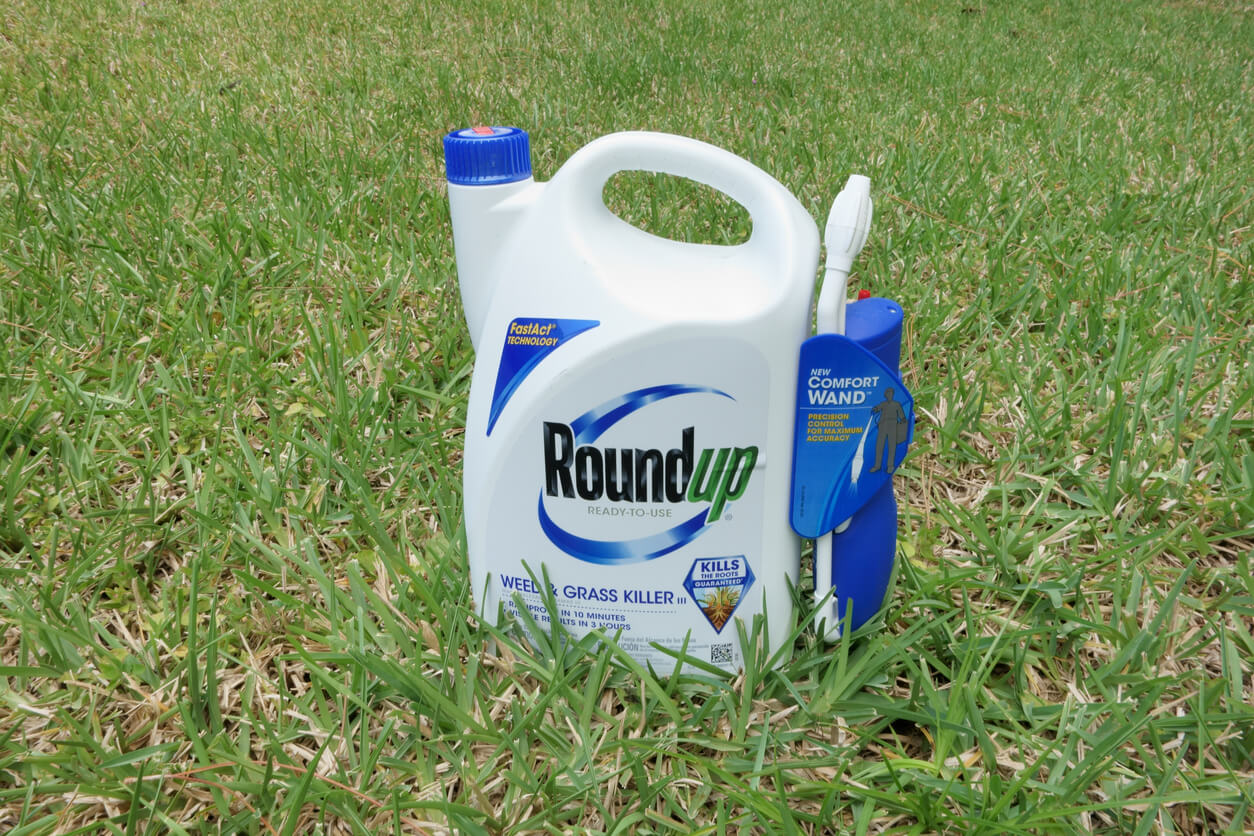
The future of the wide-spanning Roundup lawsuits could be in peril. On Monday, the Trump administration officially backed agricultural giant Bayer’s push for the U.S. Supreme Court to take up a Roundup case.
Bayer filed a petition earlier this year requesting that the Supreme Court weigh in on these cases, which claim that the popular weed killer is tied to the development of non-Hodgkin lymphoma. But the Court decided against making a decision on Bayer’s petition right away, instead asking for the views of the solicitor general.
This is where the Court essentially asks for the federal government’s opinion on whether it should take up a case.
The federal government has given the green light for the Supreme Court to review a Roundup lawsuit. It has also backed Bayer’s argument that these lawsuits could be preempted — meaning that the state laws that Roundup lawsuits rely on are overruled by federal law.
“The support of the U.S. Government is an important step and good news for U.S. farmers, who need regulatory clarity,” Bayer AG CEO Bill Anderson said in a statement.
Supreme Court Would Decide if Roundup Lawsuits Are Federally Preempted
The issue that the Supreme Court has been asked to decide, which is critical to virtually all Roundup lawsuits, is known as federal preemption.
Most Roundup cases rely on state failure-to-warn claims, arguing that Bayer and Monsanto violated state law by not warning customers of a potential cancer risk tied to their product.








But Bayer argues that those claims are preempted, or overruled, by the Federal Insecticide, Fungicide and Rodenticide Act (FIFRA). That law includes language outlining that states cannot subject companies to labeling requirements that go beyond the scope of federal law.
Since the Environmental Protection Agency has not required a cancer warning on Roundup’s label, Bayer claims that individual states cannot either.
Lower courts have disagreed on this issue.
Both the 9th and 11th Circuit Courts of Appeals sided with people who have filed lawsuits. But, in 2024, the Third Circuit Court of Appeals created a circuit split when it sided with Bayer on the same issue.
That opened the door for a potential Supreme Court review, which Bayer has strongly pushed for as the centerpiece of its plan to contain the litigation by the end of 2026.
The Supreme Court has not officially agreed to review a Roundup case, but if it does, the results could be significant.
“If the Supreme Court takes the case and decides in Bayer’s favor, it could have a huge impact on Roundup lawsuits,” Whitney Ray Di Bona, attorney and consumer safety advocate at Drugwatch, said. “Most of the current cases depend on state laws, and if those are blocked, many claims could be dismissed. This would help Bayer reduce its legal risks and might set a new standard for other product liability or pesticide cases. Not all lawsuits would disappear, but it would be much harder for people to win their cases.”
As of October, more than 60,000 Roundup lawsuits remained active.
Bayer Seeks Resolution of Roundup Lawsuits as Losses Mount
A potential Supreme Court review would be the culmination of years of litigation revolving around the Roundup weed killer’s ties to a higher risk of developing cancer.
While Bayer says that it has won most of the Roundup cases to advance to trial, its expenses in the litigation have been significant.
In 2020, the company agreed to an initial settlement worth about $10 billion to resolve a sizable number of active Roundup lawsuits. But the litigation has persisted in the years since as new cases not covered by that settlement have been filed.
Bayer has taken several significant losses in recent months.
Earlier this year, a Georgia jury delivered a staggering $2 billion verdict to a man who claimed he developed cancer after using Roundup around his home for decades. Bayer later agreed to a settlement with the man, avoiding what would likely have been a years-long legal battle over whether that massive verdict would be paid out.
In a separate case, the Missouri Supreme Court recently refused to review a $611 million trial verdict against the company, leaving few appeal options for what would be a massive sum to pay out to just a handful of plaintiffs.
A California appeals court upheld another $28 million loss for Bayer.
With losses mounting and billions already paid out, Bayer is hopeful that the potential Supreme Court decision will provide it with a way out of these lawsuits.
