Ozempic Vision Loss Lawsuits Consolidated In Federal MDL, Marking Major Step Forward


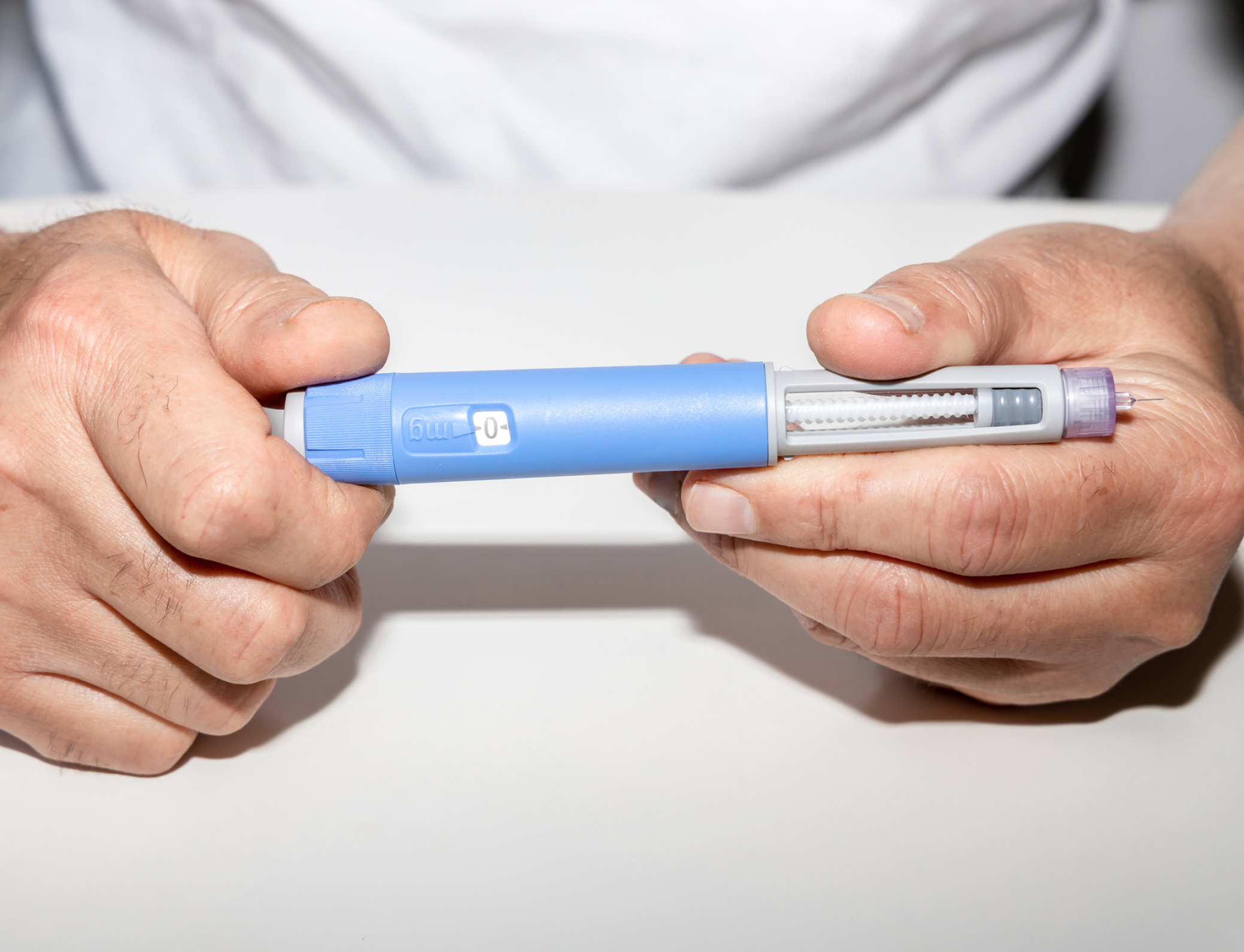
Ozempic lawsuits that link GLP-1 drugs to vision loss have been consolidated into a federal multidistrict litigation (MDL) in a major step forward for people suing Eli Lilly and Novo Nordisk.
“An MDL helps ensure that people across the country receive consistent decisions on important shared issues,” said Whitney Ray Di Bona, attorney and consumer safety advocate at Drugwatch. “By combining the GLP-1 vision loss cases, the process of gathering evidence becomes more efficient and may help lead to settlements for those who have been harmed.”








The MDL will include cases involving drugs like Ozempic, Wegovy, Saxenda and Trulicity. The lawsuits allege that use of GLP-1 drugs may cause non-arteritic anterior ischemic optic neuropathy (NAION).
Sometimes called an eye stroke, NAION can decrease blood flow to the optic nerve and result in rapid, permanent loss of vision.
When federal judges established the MDL this week, 30 GLP-1 vision loss lawsuits were pending in federal court. Dozens of others have also been filed in state court.
NAION Cases Placed Before Judge Overseeing Ozempic Stomach Paralysis Lawsuits
An MDL seemed likely, given the volume of Ozempic vision loss lawsuits. But there were some disagreements over where to centralize these cases.
Ultimately, the U.S. Judicial Panel on Multidistrict Litigation, which assigns MDLs, sent the cases to a judge already overseeing thousands of GLP-1 lawsuits.
Judge Karen Marston will oversee the vision loss lawsuits while also handling a separate Ozempic-focused MDL created over claims that GLP-1 drugs are tied to a serious stomach condition called gastroparesis.
The JPML noted that, while the alleged injuries differ in these litigations, there could be a lot of overlap in the various pretrial proceedings. The separate cases also generally involve the same defendants and representatives.
“Judge Marston thus is uniquely well-positioned to advance this litigation efficiently,” the JPML said in its order.
But, as is often the case when an MDL is being formed, there was some debate over this decision. Eli Lilly, the company behind Mounjaro and Zepbound, had suggested that the vision loss cases be folded into the existing gastroparesis MDL.
Conversely, the lawyers representing people who have filed lawsuits had lobbied for these cases to go to New Jersey federal court.
In addition to the federal MDL, GLP-1 vision loss lawsuits are also being grouped together at the state level in New Jersey. The U.S. arm of Novo Nordisk, the maker of Ozempic, is headquartered in that state.
Ozempic NAION Lawsuits Claim GLP-1 Drug Causes Vision Loss
The Ozempic vision loss lawsuits are still in the early stages of litigation. They are based on claims that use of some GLP-1 drugs is tied to the development of NAION.
Research has emerged over the last couple of years suggesting that a link could exist.
One study published in September found that diabetes patients using GLP-1s could be upwards of 68 times more likely to develop NAION compared to patients using other treatments. Those findings, which evaluated 100,000 patients with diabetes, were presented to the American Academy of Ophthalmology in October.
While Ozempic is perhaps the most well-known GLP-1 drug, lawsuits are also being filed involving other similar drugs like Saxenda and Victoza.
Now that lawsuits have been consolidated at both the federal and state levels, the vision loss litigation may ramp up significantly in 2026.
