FDA Flags Serious Software Issue in Dexcom Glucose Monitoring App


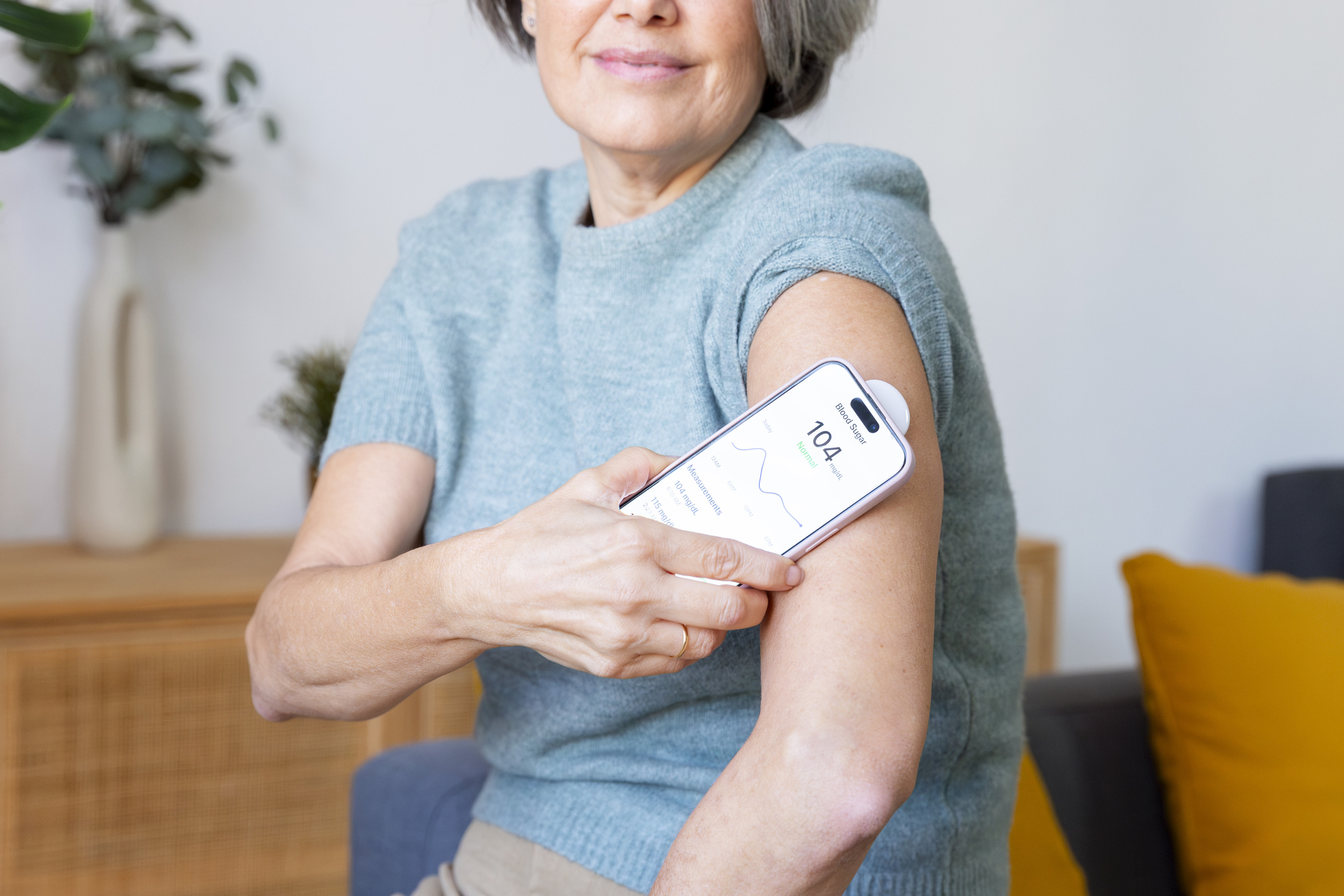
Federal regulators issued a Class I software correction for certain Dexcom continuous glucose monitoring systems due to a defect that could prevent users from receiving life-saving blood sugar alerts.
According to the U.S. Food and Drug Administration, the correction affects version 1.15.0 of the Dexcom G6 and G6 Pro Android app. The software may shut down unexpectedly, stopping glucose readings, alarms and alerts. The agency warned that continued use without updating the software could result in serious injury or death.
Dexcom’s continuous glucose monitoring systems provide real-time glucose readings to a connected smart device or receiver. A small sensor placed under the skin tracks glucose levels and transmits the data to the device, allowing patients to respond quickly to dangerous blood sugar levels.
Patients depend on accurate readings to manage their health conditions and avoid medical emergencies.
Prior Safety Concerns
The software correction is the latest in a series of safety issues involving Dexcom devices. Last year, the FDA issued the company a warning letter and later announced a separate Class I recall for certain Dexcom receivers linked to alert failures.
That recall involved the Dexcom G6, G7, ONE and ONE+ receivers. The Dexcom ONE and ONE+ receivers are only available outside the U.S., though nearly 640,000 Dexcom G6 and G7 receivers were sold worldwide.








In that recall, the FDA noted that receivers may have a speaker malfunction that prevented alerts from sounding when blood sugar levels became dangerously high or low. That could lead to serious health consequences, including seizures, loss of consciousness and death.
The FDA maintains a full list of affected products on its website.
Lawsuit Alleges Failure to Protect Users
The latest FDA action comes amid ongoing lawsuits alleging Dexcom devices and software failed to warn users of dangerous blood sugar changes.
In one California case, two women who used the G6 and G7 devices allege the company’s products repeatedly failed to provide accurate readings and that the company engaged in misleading advertising.
In another case, a Tennessee widow sued Dexcom in April after her diabetic husband died while using a Dexcom monitor. Jennifer Wisdom-Schepers alleges her husband suffered severe hyperglycemia after his device showed normal glucose levels, despite his blood sugar measuring more than 1,600 mg/dL. She claims he later died while on life support from complications caused by the device’s malfunction.
The lawsuit is seeking an undisclosed amount in damages and names Dexcom and Tandem Diabetes Care as defendants.
