Legal Battle Over $7.25 Billion Roundup Lawsuit Settlement Heats Up


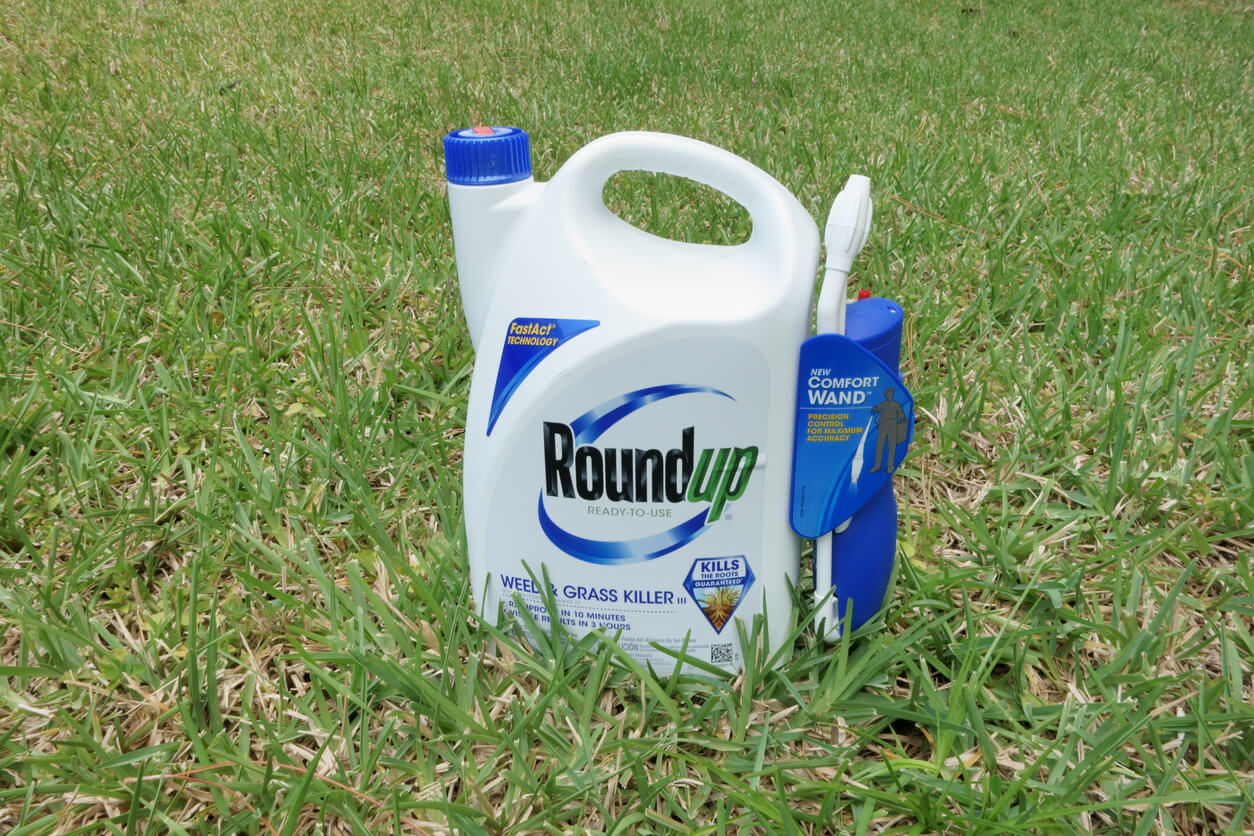
A potential settlement that could resolve tens of thousands of Roundup lawsuits is facing growing legal pushback. A member of the Roundup class action filed an objection in Missouri state court last week. The plaintiff states that Bayer’s proposed settlement is “grossly inadequate and unfair” for people who developed non-Hodgkin lymphoma after being exposed to the herbicide.
The objection claims that the settlement is unconstitutional and would essentially amount to awarding manufacturer Bayer with a “sweetheart deal” while allowing the company to continue selling the potentially harmful weed killer.
Multiple attorneys who submitted the objection are calling for the settlement’s case to be moved from Missouri court to federal court, arguing that a state court “simply is without the power or authority to implement the terms of this constitutionally flawed settlement.”








Why the Roundup Settlement Has Faced Opposition
The Roundup settlement, worth $7.25 billion, has faced opposition since Bayer first proposed it in February.
Not long after it was filed in court, multiple law firms pushed back over concerns regarding a lack of transparency and fairness.
A major sticking point in the settlement has been whether it provides adequate compensation to people who say they were affected by Roundup. Under its terms, many types of cases may only be eligible for payouts as low as $20,000 or less.
The strongest cases, described as people who were exposed to Roundup at work, were under 60 when diagnosed and have an aggressive type of cancer, would receive an average payout of $165,000.
Some law firms believe that compensation should be higher. Bayer suffered several severe losses when these cases advanced to trial. Last year, a Georgia jury awarded more than $2 billion to a man who claims he developed cancer after using Roundup for decades.
“This settlement is being presented to cancer victims as their best choice, but those who created it were thinking of themselves first,” said Whitney Ray Di Bona, attorney and consumer safety advocate at Drugwatch. “The lawyers who made the deal could get $675 million in fees, while the people harmed by Roundup would receive only a small part of what their cases are truly worth. The opt-out process is also so confusing that most people will likely give up.”
As Roundup Settlement Battle Plays Out, Supreme Court Decision Looms
In addition to the pending settlement, thousands of people who have filed lawsuits are also awaiting a key decision from the U.S. Supreme Court.
The court heard oral arguments last month on a Roundup case, and its decision could define the wider litigation. This has been the centerpiece of Bayer’s strategy to escape the lawsuits. The company believes that a positive ruling from the court could largely resolve the litigation in its favor.
A final decision from the Supreme Court could be expected within the next few weeks.