Vermont Becomes First State to Ban Paraquat Over Parkinson’s Concerns


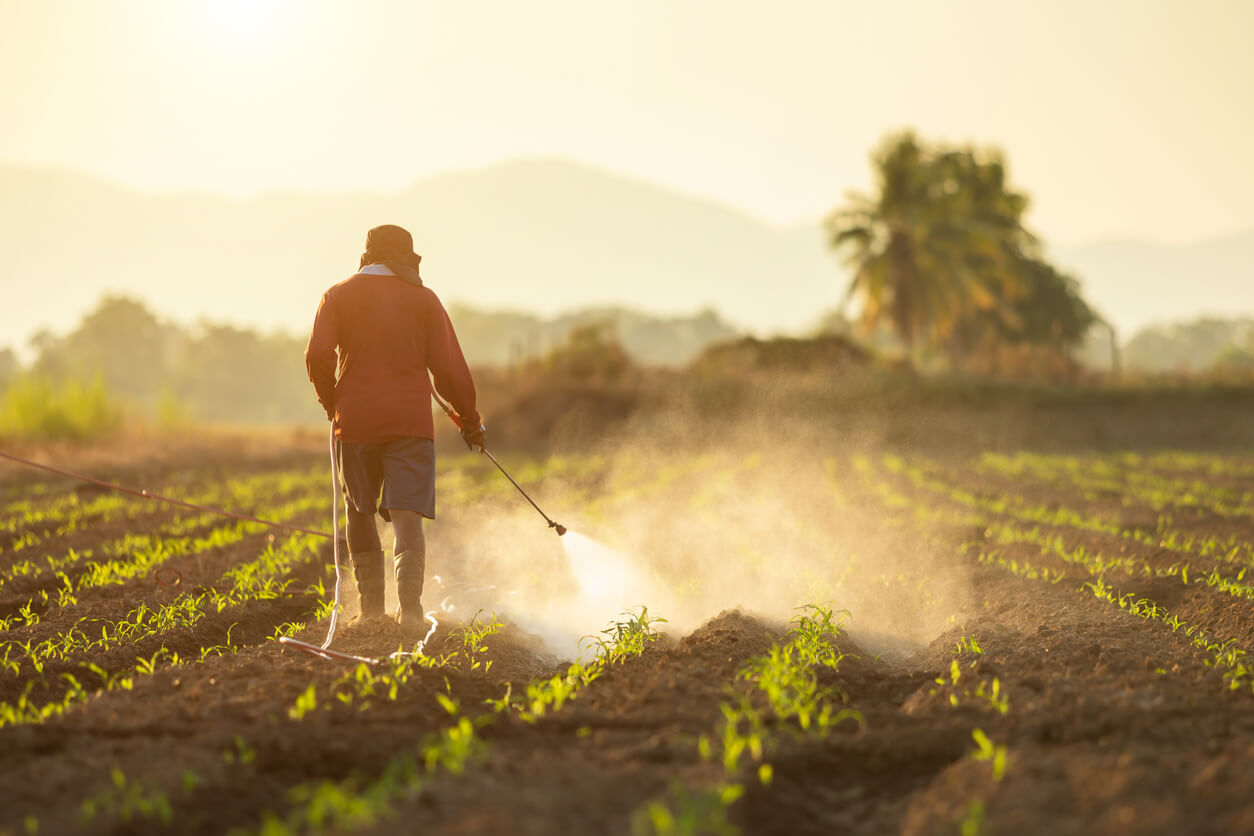
In a historic move, Vermont has become the first U.S. state to ban paraquat. The highly toxic herbicide is already banned in dozens of countries, but still used in the United States.
The ban, which was signed into law by Governor Phil Scott on Tuesday, comes in the wake of growing concerns that paraquat could be tied to the development of Parkinson’s disease. Recent research has shown that a connection may exist between exposure to the herbicide and the devastating neurological condition.
The Vermont law leaves room for paraquat to be used on certain crops if a special permit is issued until 2030. In addition to concerns of Parkinson’s, paraquat is highly toxic. According to the Environmental Protection Agency, even a small sip can be fatal.
Global agricultural company Syngenta announced earlier this year that it would stop making paraquat as lawsuits and criticisms mount, but it remains one of the most widely used herbicides in the U.S.
Thousands of people have filed paraquat lawsuits over claims that they developed Parkinson’s after being exposed to or working with the herbicide.








Paraquat Settlement That Could Resolve Thousands of Lawsuits Being Finalized
For years, litigation has been active over claims that paraquat is tied to the development of Parkinson’s. More than 6,000 lawsuits have been grouped together in federal court before one judge.
While none have advanced to trial yet, many of those cases could soon reach a resolution.
Court filings show that both sides signed an agreement in September 2025 for a paraquat settlement. It’s currently unclear how many of the 6,000 active cases would be included in the agreement.
The settlement process is ongoing. Last month, a special master assigned to the litigation was set to reach out to individuals who opted out of the settlement to ensure they made an informed decision and knew their rights.
The completion of the settlement would be a landmark moment for people who have filed lawsuits. So far, no information has been released on what individual payouts may look like, but law firms are continuing to investigate and file new cases.