Mental Health
Mental health is a measurement of a person’s psychological, social and emotional well-being. It affects the way people think, feel and act. Poor mental health may lead to mental illnesses such as anxiety and depression, but it may also affect physical health. People of every age can improve or maintain good mental health.
Editors carefully fact-check all Drugwatch.com content for accuracy and quality.
Drugwatch.com has a stringent fact-checking process. It starts with our strict sourcing guidelines.
We only gather information from credible sources. This includes peer-reviewed medical journals, reputable media outlets, government reports, court records and interviews with qualified experts.
Drugwatch.com has been empowering patients for more than a decade
Drugwatch.com has provided reliable, trusted information about medications, medical devices and general health since 2008. We’ve also connected thousands of people injured by drugs and medical devices with top-ranked national law firms to take action against negligent corporations.
Our team includes experienced medical writers, award-winning journalists, researchers and certified medical and legal experts. Drugwatch.com is HONCode (Health On the Net Foundation) certified. This means the high-quality information we provide comes from credible sources, such as peer-reviewed medical journals and expert interviews.
The information on Drugwatch.com has been medically and legally reviewed by more than 30 expert contributors, including doctors, pharmacists, lawyers, patient advocates and other health care professionals. Our writers are members of professional associations, including American Medical Writers Association, American Bar Association, The Alliance of Professional Health Advocates and International Society for Medical Publication Professionals.
About Drugwatch.com
- Assisting patients and their families since 2008.
- Helped more than 12,000 people find legal help.
- A+ rating from the Better Business Bureau.
- 5-star reviewed medical and legal information site.
Testimonials
"Drugwatch opened my eyes to the realities of big pharmacy. Having a family member with major depression and anxiety, I was looking for information on her medications. I found information that was very helpful, that her psychiatrist never told her."


What Is Mental Health?
Medical providers define mental health as a person’s psychological, emotional and social well-being. Many of us will experience temporary challenges to our mental health that may resolve relatively quickly without a formal diagnosis or treatment. Others may experience long-term or chronic mental health disorders that can be managed through treatment to allow for overall physical, social and emotional well-being.
People diagnosed with mental health disorders may have treatment plans that include medication and psychotherapy. They may also benefit from help with developing strategies to improve their overall well-being and mental health.
Why Is Mental Health Important?
Maintaining good mental health isn’t just important for your mood or emotional well-being. Researchers have established a connection between taking care of the mind and helping the body.
“Many causes of mental health problems also have physical consequences, and mental illness worsens the prognosis of a range of physical illnesses, especially heart disease, diabetes and cancer.”
Taking a proactive approach to mental health may better equip people to manage stress, stay healthy and be productive. A classic study at Oxford University found that mental health disorders reduce life expectancy as much as 10 to 20 years. Poor mental health can be associated with socioeconomic challenges, deprivation and increased health-risk behavior. A number of studies have also shown that physical activity is an important component of mental health.
Factors That Affect Your Mental Health
Many factors affect mental health, including life experiences, biological factors, family history and lifestyle. You can’t control all these factors, but you can seek help from a professional and adopt a healthier lifestyle.
“An individual’s mental health can be significantly affected by a single or combined interaction of several factors including genetic predispositions, environmental/experiential circumstances as well as age-specific challenges, such as progressing through life’s developmental stages,” clinical psychologist Dr. Michael Adamse told Drugwatch.
“For example, adolescence brings on major physical and psychological changes that can either be transitioned through with relative smoothness or create mental health issues throughout life. Aging can lead to isolation, declining physical health and a reduction in cognitive abilities,” he added.
A person’s lifestyle choices may also influence their mental health. For example, eating a poor diet, being inactive and using alcohol, tobacco or other substances may contribute to poor mental health. One of the strongest predictors of both physical and mental health is the status of a person’s social bonds. Socially isolated people without connections to friends and family are at very high risk for a variety of health issues.

Signs of Poor Mental Health
Signs of poor mental health include changes in behavior, thinking, sleep patterns and poor performance at work or school. It can be difficult to tell if you’re suffering from mental health issues, but there are some warning signs to look out for.
“Poor mental health can manifest in a number of ways, including addictions of all types, emotional outbursts or withdrawal from normal life activities,” Adamse said. “Depression and anxiety disorders contribute significantly to the increased rates of psychological problems we are seeing in America today.”
- Apathy or feeling like nothing matters
- Body aches or pains with no apparent cause
- Changes in eating or sleeping habits, such as sleeping more or less than usual
- Difficulty accomplishing daily tasks
- Feeling numb
- Having paranoid thoughts
- Hearing voices
- Isolating from people
- Low or no energy
- Losing interest in activities you enjoy
- Mood swings that cause problems in relationships
- Obsessing about thoughts you can’t get out of your head
- Problems with memory or confusion
- Thoughts of harming yourself or others
- Unnaturally heightened feelings of worry, upset or fear
- Using drugs, smoking or drinking more than usual
The first point of contact is often your primary care physician. They can help you rule out other potential causes of these symptoms and refer you to a mental health professional.
If you or someone you know is in severe emotional distress or is thinking of harming themselves or others, you can contact the 988 Suicide & Crisis Lifeline. These centers provide crisis help and referrals to mental health professionals. It’s free to call, and help is available seven days a week and 24 hours a day.
Stress and Mental Health
One of the main causes of poor mental health is stress, or what some people call “fight or flight” reactions. Stress helps people survive dangerous situations or get through a crisis. Many people live in chronic fight or flight mode because of financial worries, friction in the workplace or complicated relationships.
According to the American Institute of Stress, the top three causes of stress in the United States are job pressure, money and health. About 55% of Americans report experiencing stress throughout the day and 94% of workers are chronically stressed at work.
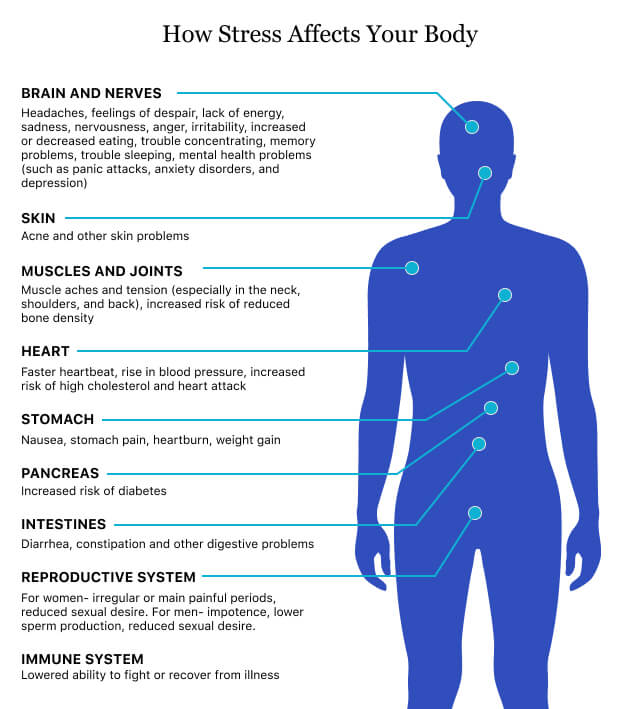
Stress can manifest as physical problems including body aches, high blood pressure, overeating, insomnia, vulnerability to infection, chronic headaches and more. It can also lead to more serious mental health problems such as anxiety or depression.
Mental Health Disorders
Mental health disorders affect a person’s thinking, feeling, mood and behavior. These changes in mood don’t happen because of one event. They’re persistent and cause problems with daily tasks and living.
According to the National Alliance on Mental Illness, the most common mental health disorders in the U.S. are anxiety disorders, major depressive disorder and post-traumatic stress disorder. But many other disorders affect Americans.
- Anxiety disorders: The most common mental health disorders in the U.S. Symptoms such as feelings of dread, restlessness or jumpiness can feel overwhelming.
- Attention-deficit/hyperactivity disorder (ADHD): Presents with symptoms of inattention, hyperactivityand impulse control problems in children and adults.
- Bipolar disorder: People experience extreme highs and lows in mood, ability to think and energy level or episodes of mania and depression.
- Borderline personality disorder (BPD): Causes emotional instability, self-image and interpersonal relationship problems and can cause struggles with self-harm.
- Depression: The second most common mental health disorder in the U.S. presents with symptoms of negative thoughts, hopelessness, lack of energy and sleep problems.
- Dissociative disorders: Consciousness, identity, memory, motor control, emotion and behavior are impacted. These disorders typically occur after trauma
- Eating disorders: Disordered food consumption patterns affect social and physical health.
- Obsessive-compulsive disorder (OCD): Causes persistent thoughts and repetitive behaviors and feeling compelled to act upon these thoughts.
- Post-traumatic stress disorder (PTSD): Psychological and physiological responses to traumatic events such as abuse, war or natural disaster.
- Schizoaffective disorder: Symptoms of schizophrenia and symptoms of manic and depressive episodes.
- Schizophrenia disorders: Cause hallucinations and delusions, affecting thinking, managing emotions, relating to others and making decisions.
A person may suffer from more than one mental health disorder at a time, and some conditions may overlap. Only a licensed mental health professional can properly diagnose mental health disorders.
Managing Your Mental Health
Strategies for managing your mental health include prescription drugs for mental health disorders, seeking mental health therapy or making lifestyle changes. If you have a mental or behavioral health condition, using all three strategies is the most effective way to manage symptoms.
“Managing our mental health requires a commitment to engage in self-care, which includes regular exercise, proper nutrition and paying attention to our spiritual lives. Spending time in nature is a powerful antidote to stress. Keeping connected to others is the single most robust factor in helping us weather life’s inevitable storms,” Adamse said.
Prescription Drugs for Mental Health Disorders
People with serious mental health disorders that prevent them from completing daily tasks and thriving may need prescription medications to help control symptoms. Some popular medications include SSRI antidepressants such as Zoloft and Prozac; stimulants such as Adderall and Ritalin; and antipsychotics such as Abilify, Risperdal and Symbyax.
Paxil was among the most popularly prescribed SSRIs. But prescription rates for it have declined in recent years.
Mental Health Therapy
Mental health therapy includes a variety of approaches such as talk therapy, cognitive behavioral therapy and couples counseling. Some people may find that therapy alone is helpful while others may find that medication alone is helpful. Many people, however, benefit from a combination of the two.
Lifestyle Changes
When used with medication or therapy, lifestyle changes can help improve mental health disorder symptoms and prevent escalation. These changes include eating healthier, exercising more and employing stress-reduction techniques such as yoga and meditation.
Calling this number connects you with a Drugwatch.com representative. We will direct you to one of our trusted legal partners for a free case review.
Drugwatch.com's trusted legal partners support the organization's mission to keep people safe from dangerous drugs and medical devices. For more information, visit our partners page.